
When Sonia Manzano started playing Maria on Sesame Street, she didn’t know how to play her. The direction she got was simple: be natural. Totally natural.
Decades later, sitting across from her with a camera, that was my brief too.
I was Director of Photography on Puerto Rican Heritage 2025: Sonia Manzano, a five-minute portrait produced by HITN that went on to win a New York Sports Emmy. I shot its two interviews: Sonia’s, and that of actress, writer and director Alison Bartlett, who met Sonia as a teenager on the Sesame Street set.
Two homes, two interviews
Both interviews were filmed in their own homes. That is both a gift and a constraint. A home tells you who someone is before they say a word: the books, the lamps, the art on the walls. But a living room is not a studio. Space is tight, the windows are where they are, and every light stand has to earn its place.
The goal was the same in both: light the person without erasing the home.
Alison: open and bright
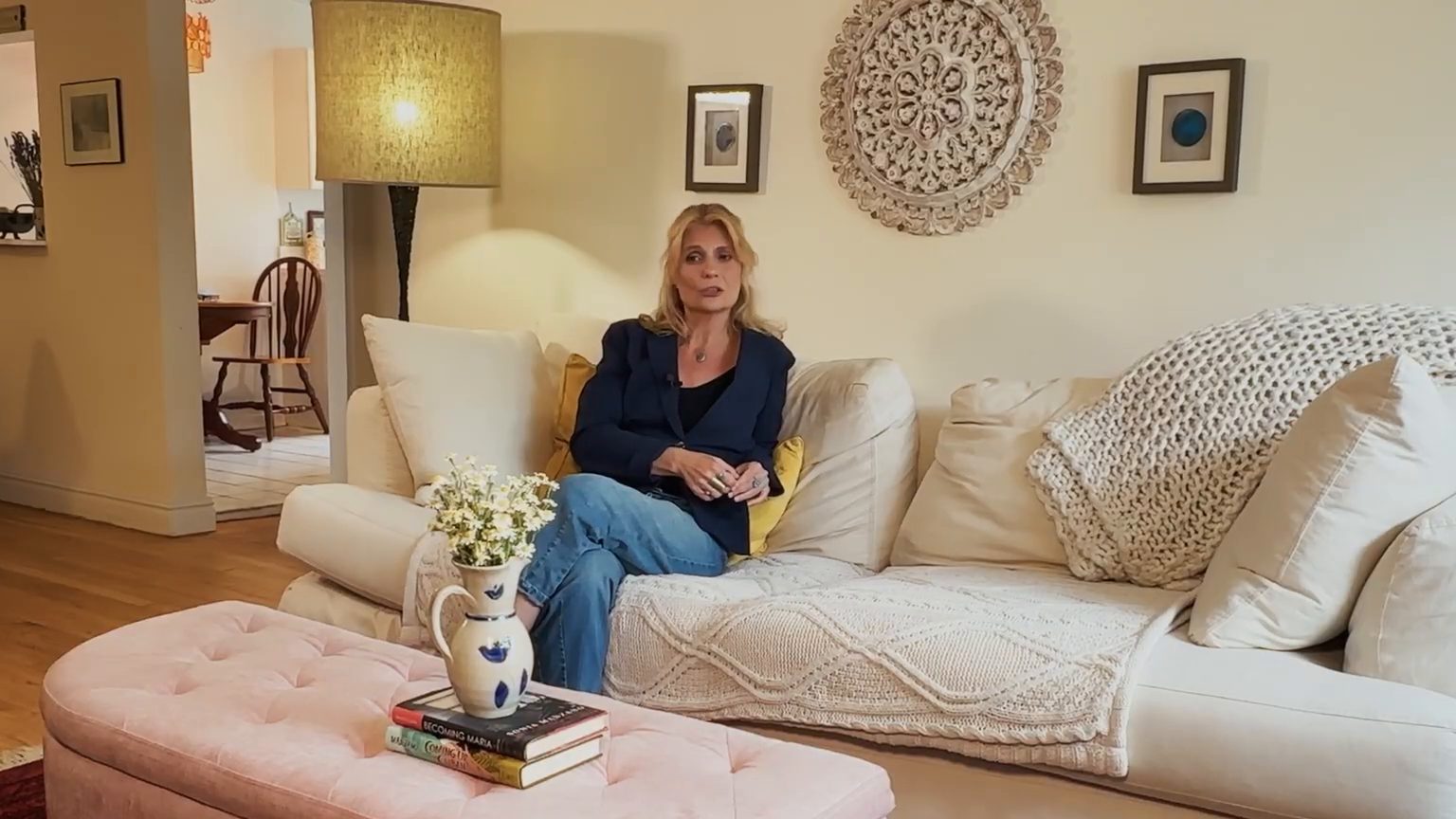
With Alison I went wider, with the sofa and part of the living room in frame. A soft key from the side and a warm lamp in the background to separate her from the wall. It reads like an afternoon visit, which suits someone sharing a memory from her youth.
Sonia: closer and warmer
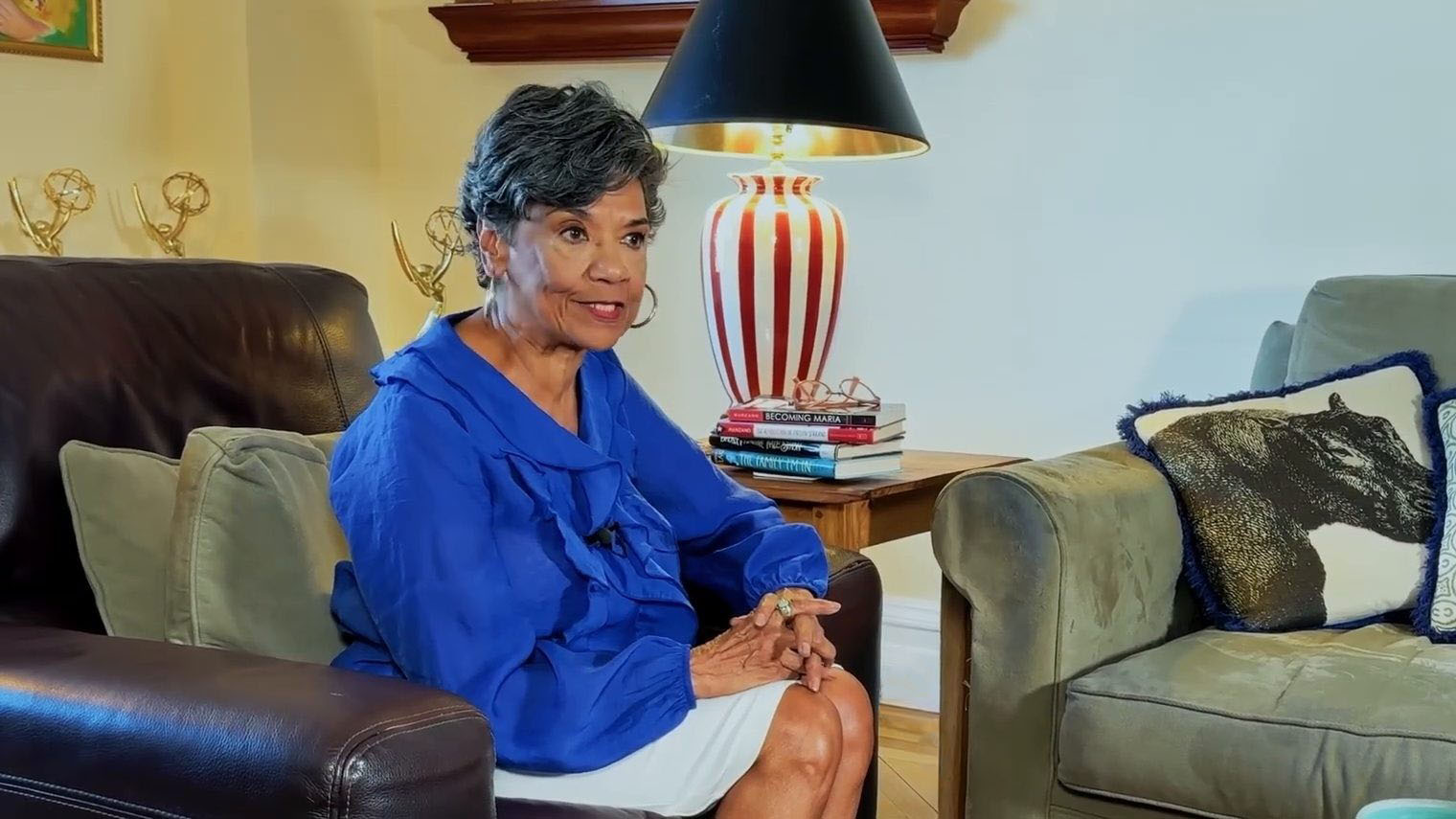
Sonia’s frame is tighter, with a shallower depth of field, so the books and the striped lamp behind her become texture rather than information. That lamp was originally in another part of the room, but I wanted it to give me a touch of backlight and to warm up the overall tone. Sonia talks about growing up in the Bronx without ever seeing anyone like her on television. For a story like that, the image has to feel like a conversation, not a set.
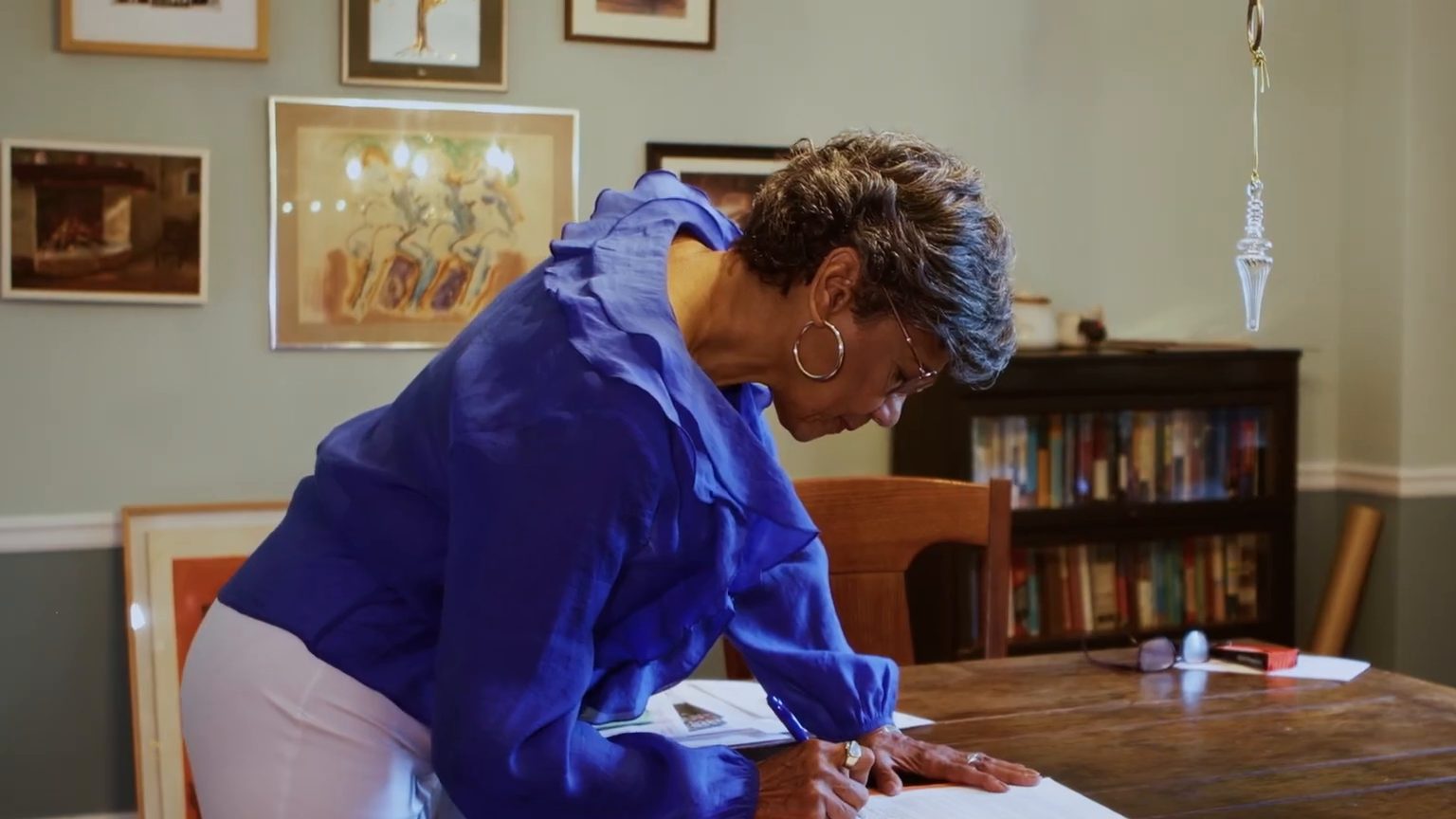
I also filmed her at her writing desk: the shots that turn the actress into the author she became.
What “natural” really means
Natural light rarely means no light. It means every source has a reason to be there: the window, the lamp she already reads by, the warmth of a home she has lived in for years. When it’s done right, the work goes unnoticed, and that is the point.
What didn’t make it on camera
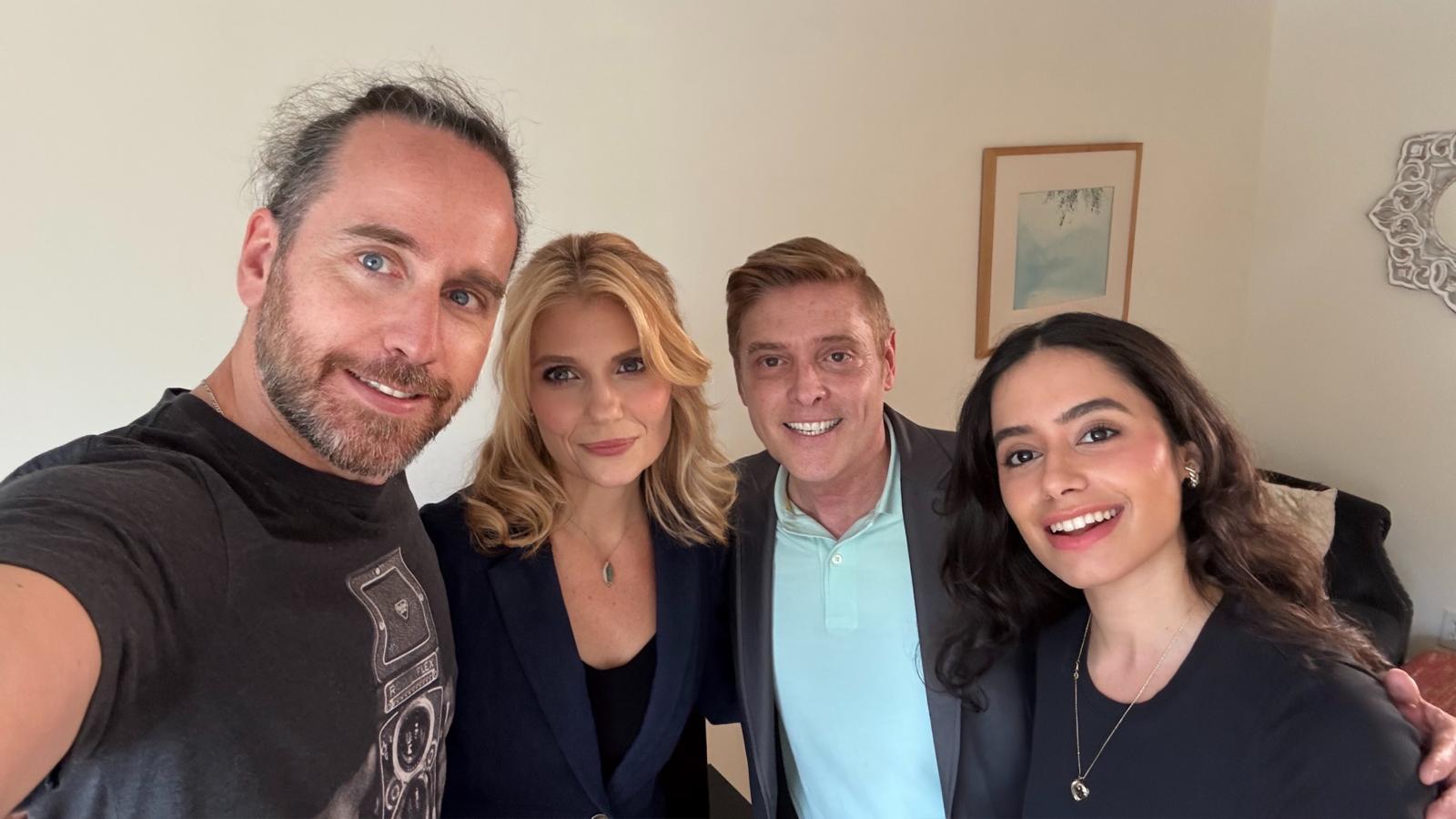
When we wrapped Alison’s interview, we packed up, said goodbye and stepped outside to wait for our rides. Each of us was heading to a different corner of New York, and it was already late. Two cars arrived; mine didn’t. The replacement the producer booked for me stalled half a mile away and ended up taking an hour to arrive. And just as I was about to call the driver, my phone died.
So I knocked on Alison’s door again, with all my gear and all my embarrassment, to ask for a charger. She didn’t just search the house until she found one: while my phone charged, she started bringing out food as if I hadn’t had dinner in years.
That night I understood that the naturalness we were after in the interview had nothing to do with the lighting. Alison is the same in front of the camera as behind it: warm from the very first minute, with a generosity you can’t rehearse.
The recognition
The NY Sports Emmy went to HITN for this piece. My part was the image, and I’m proud of it. You can see this and my other recognitions on the Recognition page.
Shot on Canon EOS R5, Canon EF 24-70mm f/2.8, Canon EF 70-200mm f/2.8 and LED lighting.